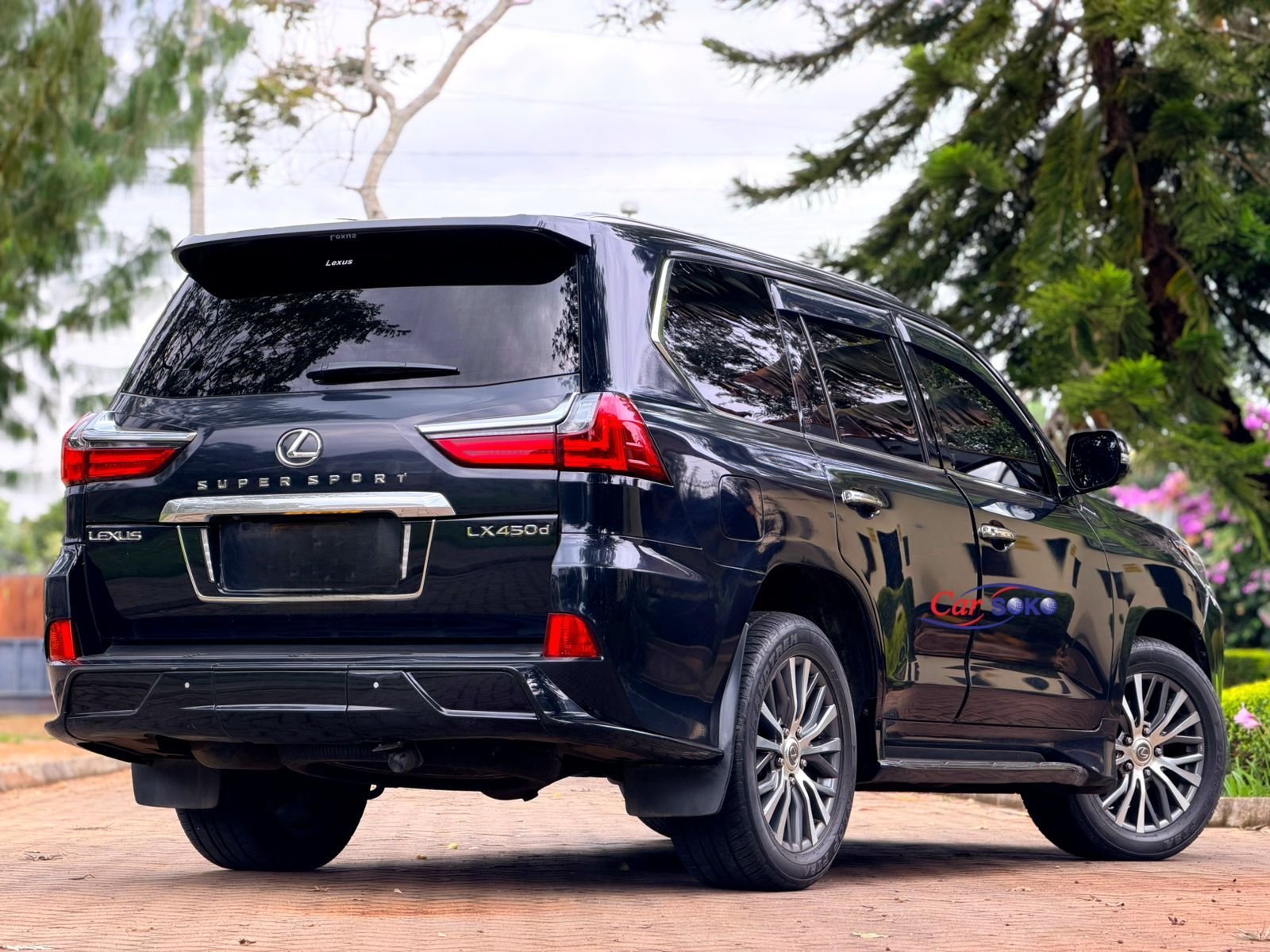
The used car market in Kenya is one of the most active in East Africa, the market offers buyers an incredible range of options across different budgets, brands, and body types. Whether you are searching for a family SUV, a reliable commuter saloon, or a rugged off-road vehicle, second-hand cars for sale in Kenya represent excellent value for money provided you know what to look for. The used car market also offers options for trade-in if you need to upgrade your car.
At CarSoko, we have been helping thousands of Kenyan buyers in finding quality used cars with confidence. This guide walks you through every step of the buying process so you can drive away happy, secure, and fully informed.
1. Define Your Budget
The sticker price of a second-hand car is never the final figure. Before you begin browsing cars for sale in Nairobi Kenya or elsewhere, calculate your total ownership cost. This includes import duty and VAT for vehicles imported directly, registration and licensing fees, insurance, pre-purchase inspection costs, and any immediate service or repair needs.
A practical rule of thumb is on budget to include an additional 15 to 25 percent on top of the purchase price to cover these expenses. Having this figure clear from the start prevents nasty financial surprises down the road.
2. Choose the Right Car for Kenyan Roads
Not all vehicles perform equally well on the Kenyan roads. Although highways between major cities are well maintained, secondary roads and rural routes can be rough and unpredictable and may not be all weather roads. When evaluating used cars for sale in Kenya, prioritize vehicles with a perfect ground clearance, robust suspension, and easily available spare parts.
Toyota models dominate the Kenyan market because they are durable, fuel-efficient, and have an extensive dealership and parts network. Other strong options include Nissan, Mazda, and Mitsubishi. Whatever your preference is ensure the model you choose has a healthy ecosystem of mechanics and spare parts available locally.
3. Source Your Vehicle from a Reputable Car Dealer
The single most important decision in your car-buying journey is choosing a trustworthy seller. While private sellers may offer lower prices, they come with significant risk, no warranty, limited recourse if problems emerge, and a higher chance of undisclosed issues.
Licensed car dealers in Kenya uphold higher standards of transparency and accountability. At CarSoko, every vehicle undergoes a thorough inspection before listing on the website. Our team verifies logbook details, checks import documentation, and ensures that the cars you see on our platform are exactly as described.
4. Conduct a Thorough Pre-Purchase Inspection
Never purchase a used car regardless of the seller's reputation without a professional mechanical inspection. You can engage an independent mechanic to assess the engine, transmission, brakes, suspension, bodywork, and electronics. Pay particular attention to signs of accident damage, rust (especially underneath the vehicle and around wheel arches), and any oil leaks.
You can even request a full service history and logbook. Cross-check the chassis number and engine number against the documentation. Any reluctance on the part of the seller to allow an independent inspection should be treated as a serious red flag.
5. Verify Ownership and Clear Any Claims
Kenya has seen instances where vehicles are sold with outstanding bank loans, hire-purchase agreements, or disputed ownership. Before you complete any transaction, verify the vehicle's ownership status through the National Transport and Safety Authority (NTSA) portal. Confirm there are no active legal claims, court orders, or auction notices attached to the vehicle.
At Car Soko, we handle all of this due diligence on your behalf, giving you complete peace of mind before a single shilling changes hands.
6. Negotiate Intelligently and Secure Proper Documentation
Once you are satisfied with the vehicle's condition and its legal status, it is time to negotiate. Research comparable listings to understand the fair market value, and do not be afraid to present a reasoned counteroffer. Legitimate dealers expect negotiation and will not take offence.
Upon agreement, ensure you receive a stamped sale agreement, a transfer of ownership form signed and witnessed, and all original vehicle documents including the logbook. The logbook transfer should be completed promptly at the NTSA offices to protect your legal ownership.
7. Arrange Comprehensive Insurance Before You Drive Away
Kenyan law requires at minimum third-party insurance coverage. However, for a used car purchase, comprehensive insurance is strongly recommended. It protects your investment against theft, accident damage, fire, and third-party claims. Obtain quotes from multiple insurers and confirm coverage begins before you collect the vehicle.
The idea of buying a second-hand car in Kenya safely comes down to patience, preparation, and choosing the right partners. CarSoko exists to make every step of this journey transparent, straightforward, and rewarding.
Ready to find your perfect used car? Browse Car Soko's verified inventory today and buy with total confidence. Visit: www.carsoko.net